
Seattle Waterfront: 10 Experiences That Make Seattle's New Waterfront Worth Exploring

Updated: Aug 11

No visit to Seattle is complete without exploring the Seattle Waterfront. Recently transformed into one of the city's premier public spaces, it combines spectacular Elliott Bay views, the Seattle Aquarium, Overlook Walk, public art, Indigenous history, family-friendly attractions, and easy access to Pike Place Market. Whether you're visiting Seattle for the first time or rediscovering your own city, you'll find far more than iconic photo opportunities—you'll discover one of Seattle's most inspiring places to explore.
The Seattle Waterfront is more than a collection of attractions—it's where Coast Salish heritage, maritime traditions, environmental stewardship, and contemporary Seattle come together in one walkable destination. As you stroll the shoreline, you'll discover how generations of people have shaped—and continue to care for—this remarkable place, making it one of the city's most meaningful experiences.
Whether you're looking for the best things to do on the Seattle Waterfront, planning a family-friendly day in downtown Seattle, or searching for spectacular views of Elliott Bay, these ten experiences showcase why Seattle's revitalized waterfront deserves a place on every Seattle itinerary.
1. Experience Seattle's Remarkable Waterfront Transformation

Photo Credit: Mira (Poling) Anselmi
The story of Seattle's modern waterfront begins with a disaster. In 2001, the Nisqually earthquake rattled the Puget Sound so violently that the Alaskan Way Viaduct nearly gave way. This concrete overpass had blocked the stunning views of Elliott Bay for decades, and while the earthquake spelled its doom, it also created an opportunity to reimagine the city's relationship with its waterfront.
After years of planning and public discussion, Seattle chose to replace the viaduct with a tunnel rather than rebuild the elevated highway. In its place emerged a vibrant network of promenades, parks, viewpoints, and public gathering spaces lined with native plants, public art, and sweeping waterfront views.
Today, visitors can stroll the waterfront, relax on one of its many benches, or enjoy the new waterfront swings—engineered to be both playful and earthquake resilient. Visit in the evening and you'll be rewarded with one of Seattle's spectacular sunsets over Elliott Bay. This remarkable transformation has made the Seattle Waterfront one of the best places to begin exploring downtown Seattle.
2. Discover the Indigenous History of Seattle's Waterfront

Long before Seattle became a bustling port city, the shoreline of Elliott Bay was home to thriving Coast Salish communities. The area known as Dzidzalalich, meaning "little crossing-over place," served as an important gathering place for trade, fishing, and travel.
One of the waterfront's most memorable figures was Kikisoblu, known to settlers as Princess Angeline. She was the eldest daughter of S'iahl (siʔaɫ), a Duwamish and Suquamish tribal leader for whom the city of Seattle was named. Kikisoblu lived in communities around Puget Sound before returning to Seattle with her grandson later in life. She eventually lived in a small cabin along the downtown waterfront, where she witnessed the rapidly changing city around her.
Kikisoblu's story offers a powerful connection to the waterfront's Indigenous history. Today, Coast Salish history, culture, and enduring presence are reflected throughout the Seattle Waterfront in public art, interpretive displays, and cultural spaces.
Understanding this history gives visitors a deeper appreciation for the lands and waters that continue to sustain Coast Salish communities and enrich Seattle's identity today.
3. Visit the Seattle Aquarium & Pier 58 Playground

One of the most popular things to do on the Seattle Waterfront is visit the Seattle Aquarium. The newly expanded Ocean Pavilion gives visitors the chance to walk beneath enormous marine habitats while learning about the incredible biodiversity of the Pacific Northwest and the Coral Triangle. Just outside, the Aquarium connects seamlessly with the Overlook Walk, making it easy to continue your waterfront adventure.
Families visiting the Seattle Waterfront with kids will also love the new Pier 58 Playground, where a giant jellyfish climbing structure has quickly become one of Seattle's favorite play spaces.
Continuing south along the waterfront and passing the Seattle Great Wheel, families will run across street performers, food trucks, and swings. Finally at the southern end there is Molly Moon's, a local ice cream shop, which gives a tasty end to your visit.
4. The Overlook Walk: Seattle’s Best Views of the Waterfront

The Overlook Walk has become one of the defining features of Seattle's recent waterfront transformation. Where the Alaskan Way viaduct once stood, this walkway adorned with greenery and art now connects Pike Place Market directly to Elliott Bay, and offers panoramic views of the Seattle skyline, ferries crossing the bay, the Olympic Mountains, and—on clear days—Mount Rainier.
The Overlook Walk isn’t just a bridge — it’s a park, a viewpoint, a stormwater filtration system, and a gathering space. Over a hundred thousand plants soften the edges of the city while filtering millions of gallons of water before it reaches the bay.
Grab a cup of Eritrean coffee at Boona Boona, relax on one of the terraces, and enjoy one of the best viewpoints in downtown Seattle.
5. Explore Seattle's Largest Outdoor Art Gallery

Walk the Seattle waterfront today and you’ll find art everywhere you look — benches, pathways, sculptures, installations, and more! To date, sixteen artists have contributed nine major installations that celebrate Indigenous cultures, maritime heritage, natural ecosystems, and Seattle's creative spirit.
This open-air gallery is one of the most photographed Seattle attractions. Highlights include large sculptures that highlight indigenous history, numerous fountains, and the beloved statue of Ivar Feeding the Gulls (you'll know it when you see it!).
This remarkable collection of Seattle public art presents a great opportunity to take a guided walking tour and discover the stories and meaning behind many of the installations throughout Waterfront Park.
6. Discover How Seattle's Waterfront Helps Salmon Thrive

Photo Credit: ReyTrey
When Seattle rebuilt the Elliott Bay Seawall, engineers and artists collaborated on Seawall Strata, a public artwork integrated directly into the seawall. The textured concrete panels, inspired by barnacles, mussels, sea stars, anemones, and rockweed, create habitat for the marine life that juvenile salmon depend on as they migrate through Elliott Bay toward the Salish Sea.
Visible from Pier 62, especially at low tide, Seawall Strata is a remarkable example of how art, engineering, and ecological restoration work together. It's a reminder that the Seattle Waterfront isn't just beautiful—it's thoughtfully designed to benefit both people and nature while contributing to the long-term health of the Salish Sea.
One of the waterfront's most innovative features is found right beneath your feet. Glass sidewalk panels built into the promenade allow natural light to reach the water below, encouraging young salmon to stay along the shoreline instead of venturing into deeper waters where predators are more common.
7. Ride Seattle's Ferries and Discover the Legacy of the Mosquito Fleet
One of the best Seattle Waterfront experiences is boarding a ferry, where you'll enjoy spectacular views of the Seattle skyline while traveling through the city's maritime history.
From the 1880s to the 1930s, Seattle's waterfront was the hub of the Mosquito Fleet—hundreds of privately operated steamships that carried people and goods throughout Puget Sound. Their constant comings and goings reminded early Seattleites of "a swarm of mosquitoes," giving the fleet its memorable nickname.
As automobiles, bridges, and highways reshaped regional travel, the Mosquito Fleet gradually declined during the 1930s and 1940s. But it never truly disappeared.

Today, Washington State Ferries continue this maritime tradition, connecting Seattle with Bremerton, Kingston, Bainbridge Island, and beyond. From the waterfront, you can also board Argosy Cruises for sightseeing on Elliott Bay. The vessels may have changed, but the spirit of exploring Puget Sound by water remains very much alive.
8. Learn How the Klondike Gold Rush Shaped Seattle's Waterfront
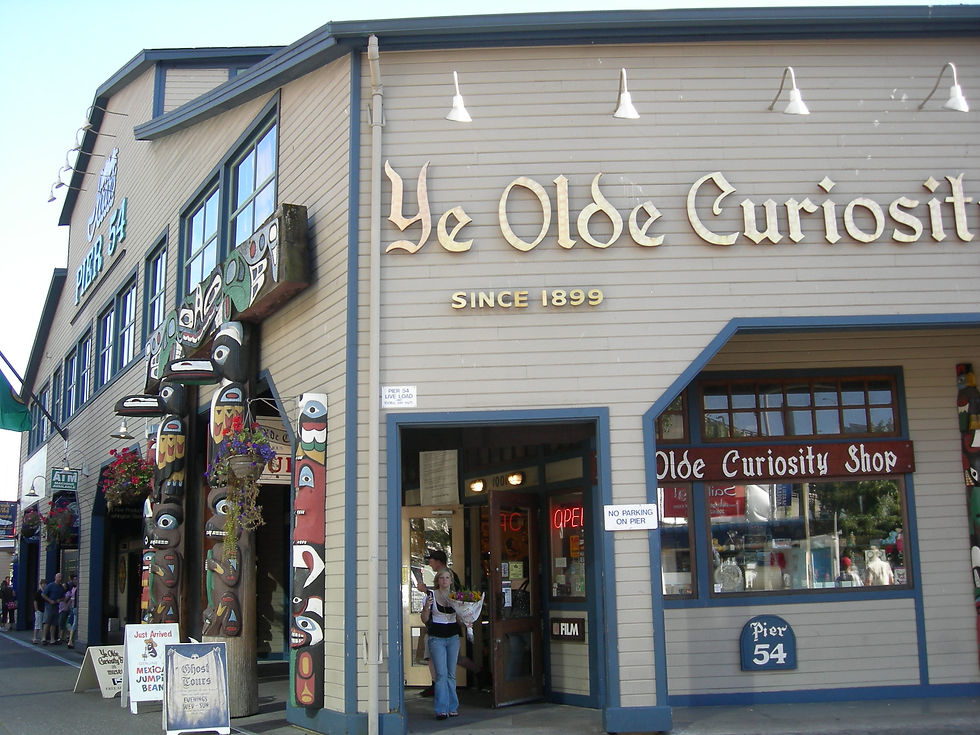
Seattle may not have discovered gold, but it became the gateway to one of history's greatest gold rushes. When the steamship Portland arrived in 1897 carrying two tons of Klondike gold, Seattle's business leaders seized the opportunity, promoting the city as "Seattle—Gateway to Alaska." Thousands of hopeful prospectors flocked to the Seattle Waterfront, purchasing the nearly one ton of supplies required before setting off for Alaska and Canada's Yukon.
The Klondike Gold Rush transformed Seattle's waterfront into a bustling center of commerce. New piers, warehouses, outfitters, hotels, and businesses lined Elliott Bay as the city's population doubled and Seattle surpassed Tacoma as the Pacific Northwest's leading city. Although little of the gold remained in Seattle, the prosperity generated by outfitting miners and supplying expeditions helped shape the modern city.
The Gold Rush also inspired entrepreneur J.E. "Daddy" Standley to open his Free Museum and Curio, which evolved into Ye Olde Curiosity Shop—today recognized as Seattle's oldest continuously operating business and a beloved landmark on the historic waterfront.
9. Victor Steinbrueck Park: A Community Victory with a View of the Seattle Waterfront

Just steps from Pike Place Market and the Seattle Waterfront Park, Victor Steinbrueck Park, is one of downtown Seattle's favorite gathering places. More than a scenic green space, the park tells the story of how community voices helped shape today's waterfront while offering one of the best places to relax and enjoy sweeping views of Elliott Bay.
In the early 20th century, the site was home to a National Guard armory. After the building was partially destroyed by fire, many developers and city officials proposed replacing it with high-rise buildings. Local residents fought to preserve the space, and thanks to their advocacy, the community prevailed. The result is the welcoming public park visitors enjoy today.
As part of the recent Seattle Waterfront redevelopment, Victor Steinbrueck Park was enhanced with Indigenous art, new seating areas, open lawns, and improved connections to the waterfront. Whether you're taking a break after exploring Pike Place Market, it's the perfect place to pause before beginning your Seattle Waterfront walking adventure.
10. Discover Habitat Beach: Where Nature Returns to the Seattle Waterfront
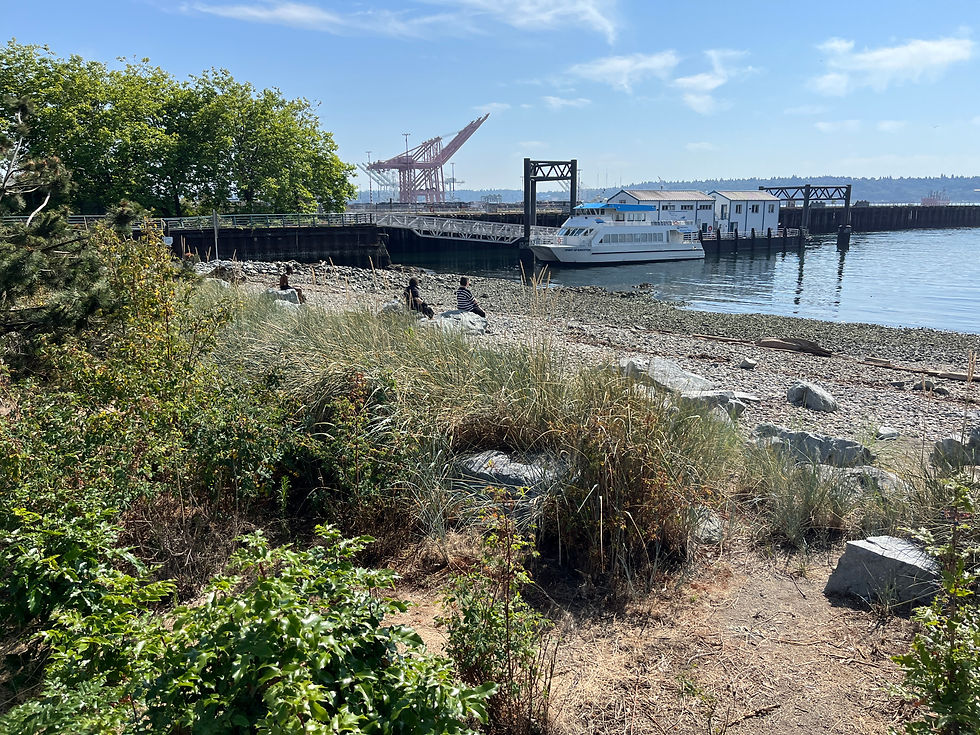
Habitat Beach represents one of the Seattle Waterfront's most meaningful transformations. Once a hardened industrial shoreline, it has been reimagined as a welcoming space where people and nature can thrive together. Designed to support juvenile salmon and other marine life, the beach restores a more natural edge to Elliott Bay while creating a peaceful place for visitors to pause, explore, and connect with the waterfront. Nearby, Ballast Island reminds us that this shoreline also holds deep Indigenous history and enduring connections to Coast Salish communities.
As you continue your walk, take time to notice the thousands of native and climate-adapted plants woven throughout Waterfront Park. These thoughtfully designed landscapes do more than beautify the shoreline—they filter stormwater, improve water quality, create habitat for wildlife, and reconnect people with the natural ecosystems of Elliott Bay.
For an even deeper appreciation of the waterfront's ecological transformation, follow the Seattle Waterfront Tree Walk—a self-guided route from Pike Place Market to Habitat Beach that highlights native trees, green stormwater infrastructure, and the thoughtful landscape design that makes today's waterfront both beautiful and environmentally resilient. Habitat Beach is a fitting reminder that the Seattle Waterfront isn't simply preserving history—it's creating a healthier, more connected future for generations to come.
Plan Your Visit to the Seattle Waterfront
Whether you’re visiting Seattle for the first time or rediscovering your own city, the Seattle Waterfront offers far more than the Seattle Great Wheel. Spend a morning exploring public art, Indigenous history, the Seattle Aquarium, Waterfront Park, and the Overlook Walk before continuing to Pike Place Market—all within easy walking distance.
Experience the Seattle Waterfront with Global Family Travels
The best way to experience it is alongside knowledgeable local guides who bring its history, culture, and hidden stories to life. At Global Family Travels, we believe travel is an opportunity to connect more deeply with the places we visit. Our Seattle Waterfront Walking Tour & Scavenger Hunt goes beyond the highlights to explore Indigenous heritage, maritime history, public art, environmental restoration, and the remarkable transformation of Seattle's shoreline. Along the way, you'll discover the people, places, and stories that have shaped the waterfront for thousands of years—and continue to shape its future.

Your participation also supports the Seattle Historic Waterfront Association, helping preserve the waterfront's unique character while strengthening the businesses, organizations, and community that make this historic district so special.
Exploring Greater Seattle Beyond the Waterfront
Looking for more ways to experience Seattle through local stories and meaningful community connections? Explore our collection of Seattle Community Tours, featuring immersive educational, cultural, and community-based experiences throughout Seattle and beyond. Follow our Seattle Tour channels on Facebook and Instagram too!
Additional Resources for Exploring the Seattle Waterfront
Whether you're planning your visit, looking for self-guided experiences, or interested in learning more about the history, design, and ongoing transformation of the Seattle Waterfront, these organizations and resources offer valuable insights, visitor information, and opportunities to explore one of Seattle's most remarkable public spaces.
City of Seattle: All about the Waterfront: Whether you're planning a visit or interested in the remarkable transformation of the Seattle Waterfront, the City of Seattle's Waterfront website offers a wealth of information. Explore featured projects, interactive maps, visitor resources, public art, Indigenous collaboration, and the innovative design and environmental restoration that have reconnected downtown Seattle with Elliott Bay.
Friends of Waterfront Park: Discover year-round events, volunteer opportunities, public art, seasonal programming, and ways to experience Waterfront Park throughout the year. The Friends of Waterfront Park nonprofit helps activate and steward Seattle's newest civic gathering place.
Seattle Historic Waterfront Association: The Seattle Historic Waterfront Association works to preserve, promote, and celebrate Seattle's historic waterfront while supporting the businesses, organizations, and maritime heritage that make this vibrant district one of the city's most beloved destinations.
Visit Seattle On the Waterfront : Visit Seattle's official waterfront guide highlights the newest attractions, scenic promenades, family-friendly activities, dining, public art, and parks that make the Seattle Waterfront one of the city's top destinations. It's an excellent companion for planning your day along Elliott Bay.
Recommended Reading about the Seattle Waterfront
By Jennifer Ott (University of Washington Press, 2025)
Historian Jennifer Ott, and Executive Director of the HistoryLink.org, traces the evolution of Seattle's waterfront—from Coast Salish homelands and a bustling working waterfront to today's remarkable transformation into a vibrant public space. It's an excellent companion for anyone who wants to dive deeper into the history behind the places explored in this guide.
By Joy Keniston-Longrie (Arcadia Publishing, 2014)
A fascinating photographic history featuring more than 200 historic images that document the transformation of Seattle's waterfront from Indigenous homelands and early maritime commerce to the construction of the seawall, viaduct, and today's revitalized shoreline. It's an ideal resource for readers who enjoy comparing historic photographs with the places they can explore today.
Meet the Authors of This Seattle Waterfront Guide
This guide was created through the combined expertise of Global Family Travels Seattle Waterfront tour guides, Jeannie Page and Sol Rabinovich, with editorial direction by Jennifer Spatz, Founder of Global Family Travels, and Communications intern, Aroura Daniels. Drawing on local knowledge, historical research, and Jennifer Spatz's decades of experience developing community-based travel experiences, the team created this guide to help visitors discover the history, culture, ecology, and hidden stories of the Seattle Waterfront.


Comments